


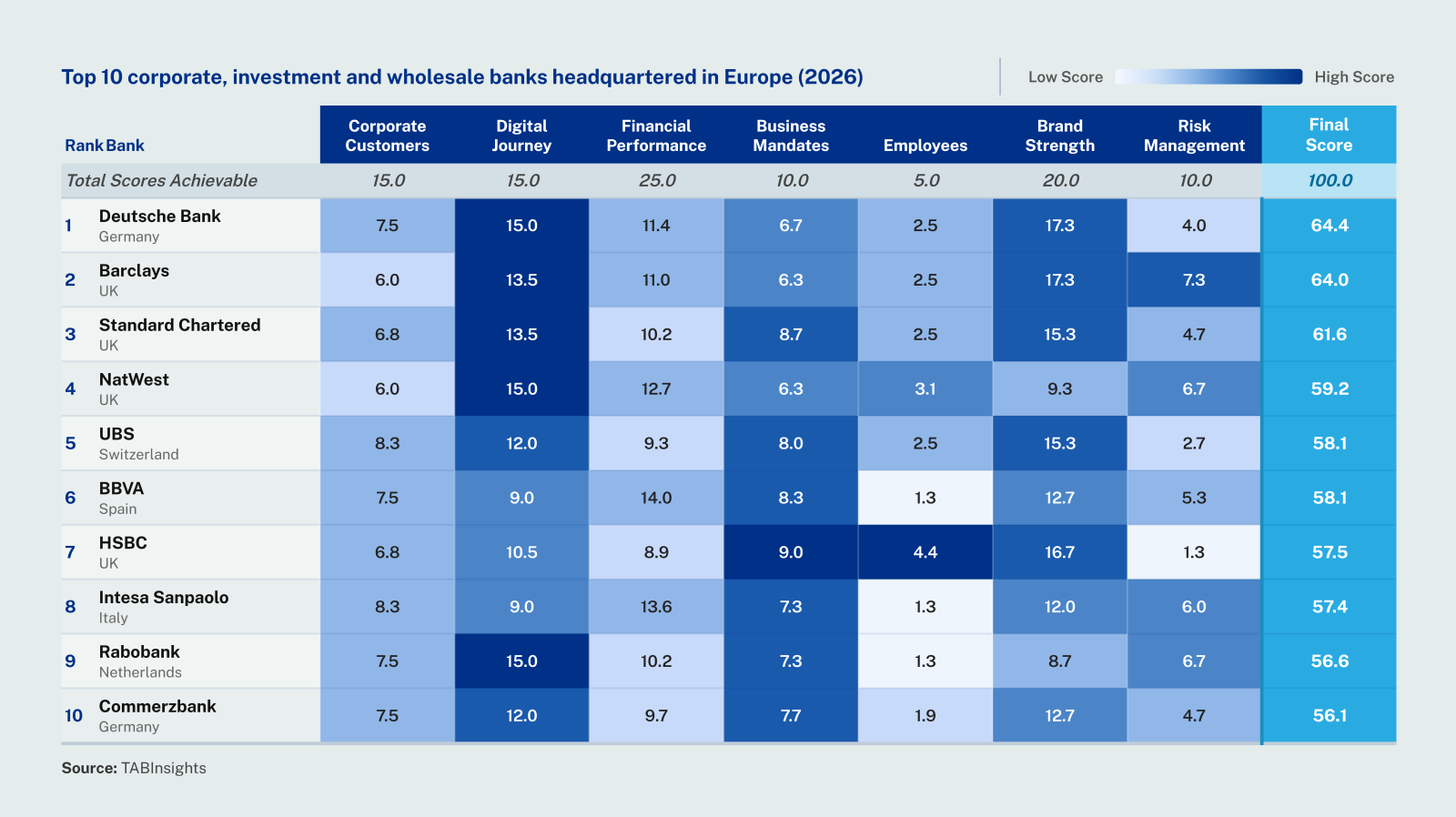
Deutsche Bank leads the 2026 TABInsights CIW ranking among Europe-based corporate, investment and wholesale banks, as digital capability, operational efficiency and franchise strength increasingly differentiate the region’s top institutions.
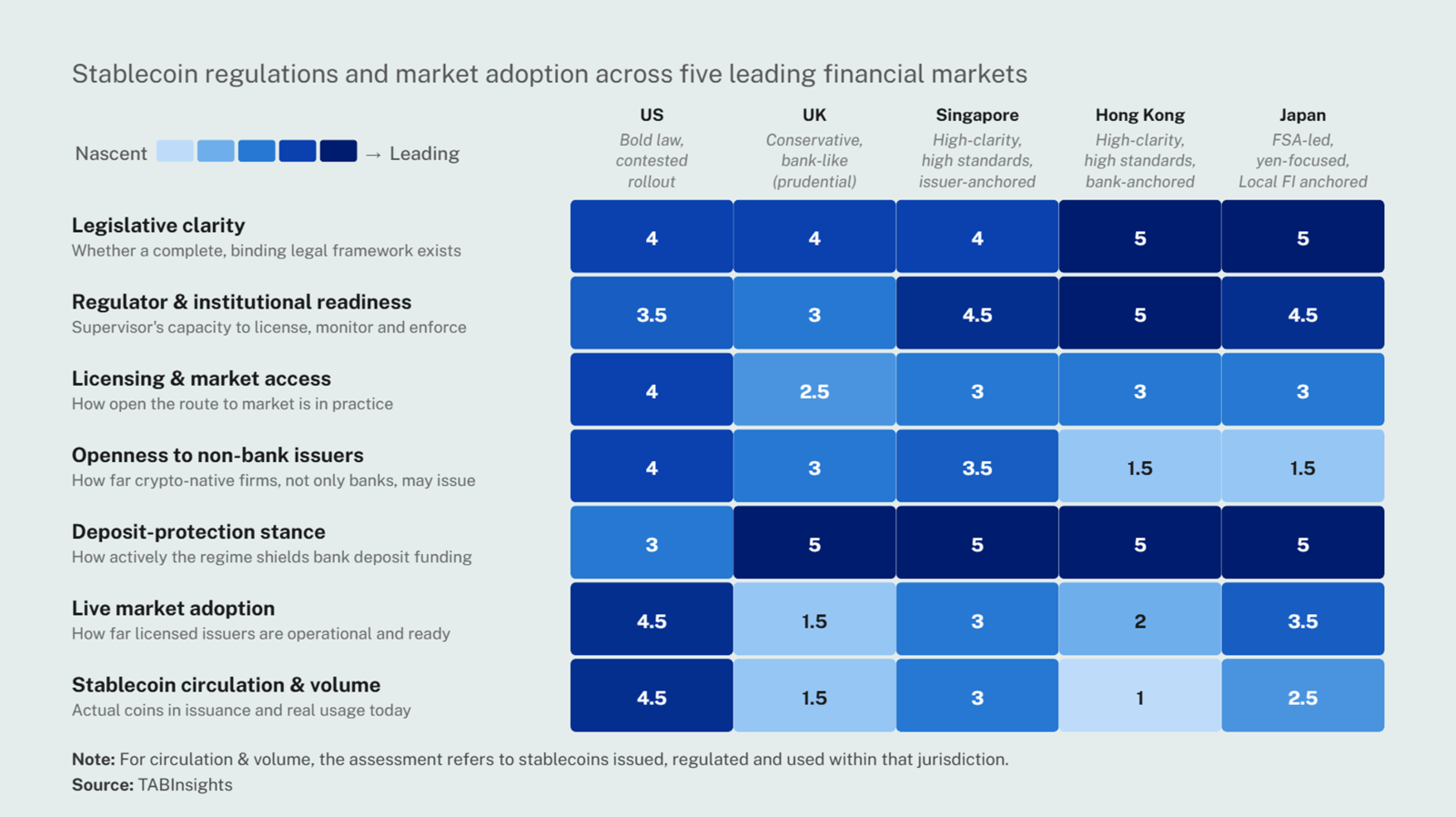
With the July 2026 deadline for US agencies to finalise the implementation of the GENIUS Act approaching, we examine five of the world’s most consequential stablecoin regimes, the United States, United Kingdom, Singapore, Hong Kong and Japan. While these jurisdictions have largely aligned on what constitutes stablecoin, none has yet delivered a commercially scalable market. The real contest has shifted to access, distribution, commercial viability and control—factors that will determine who builds the next generation of payment infrastructure.

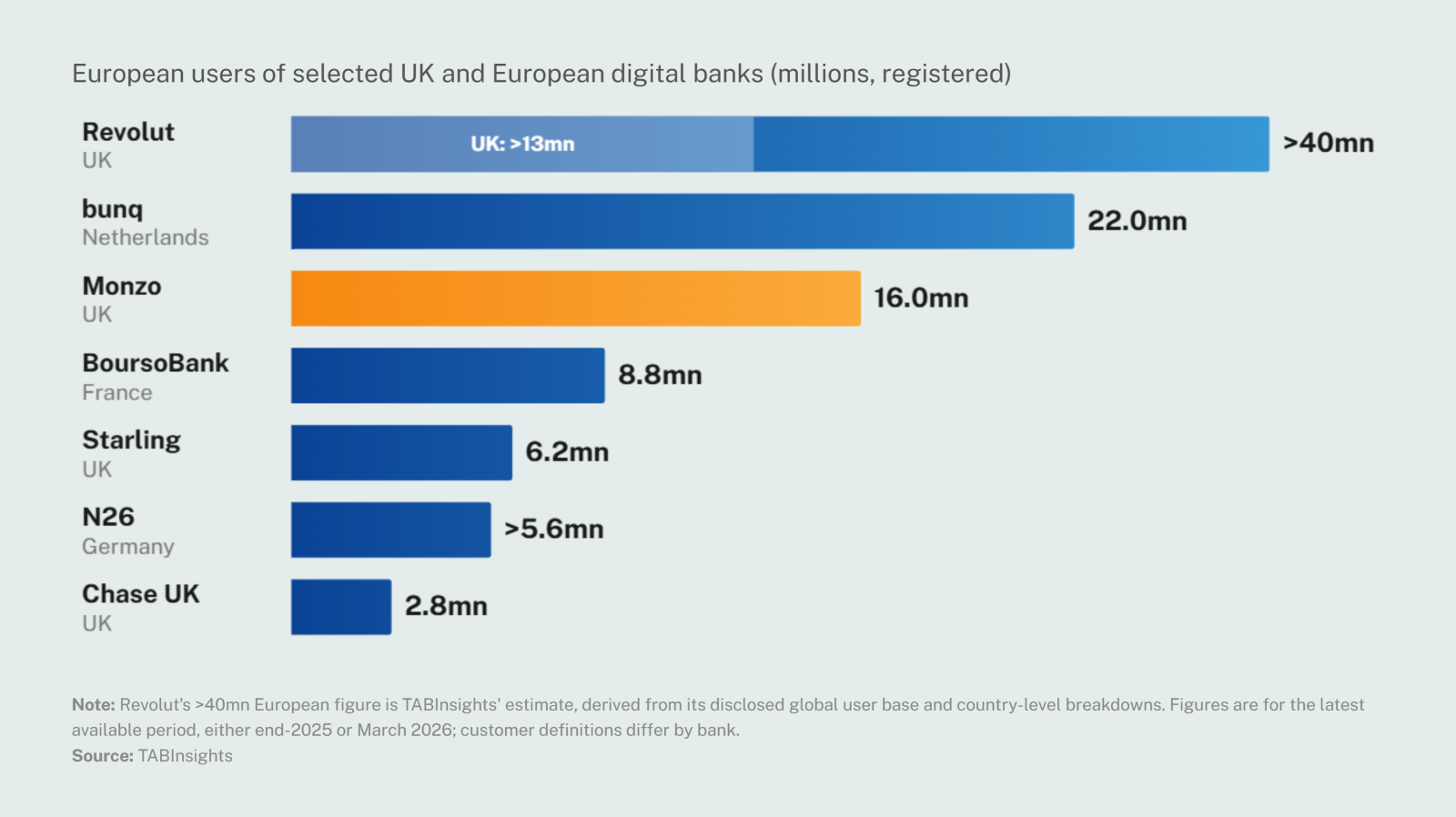
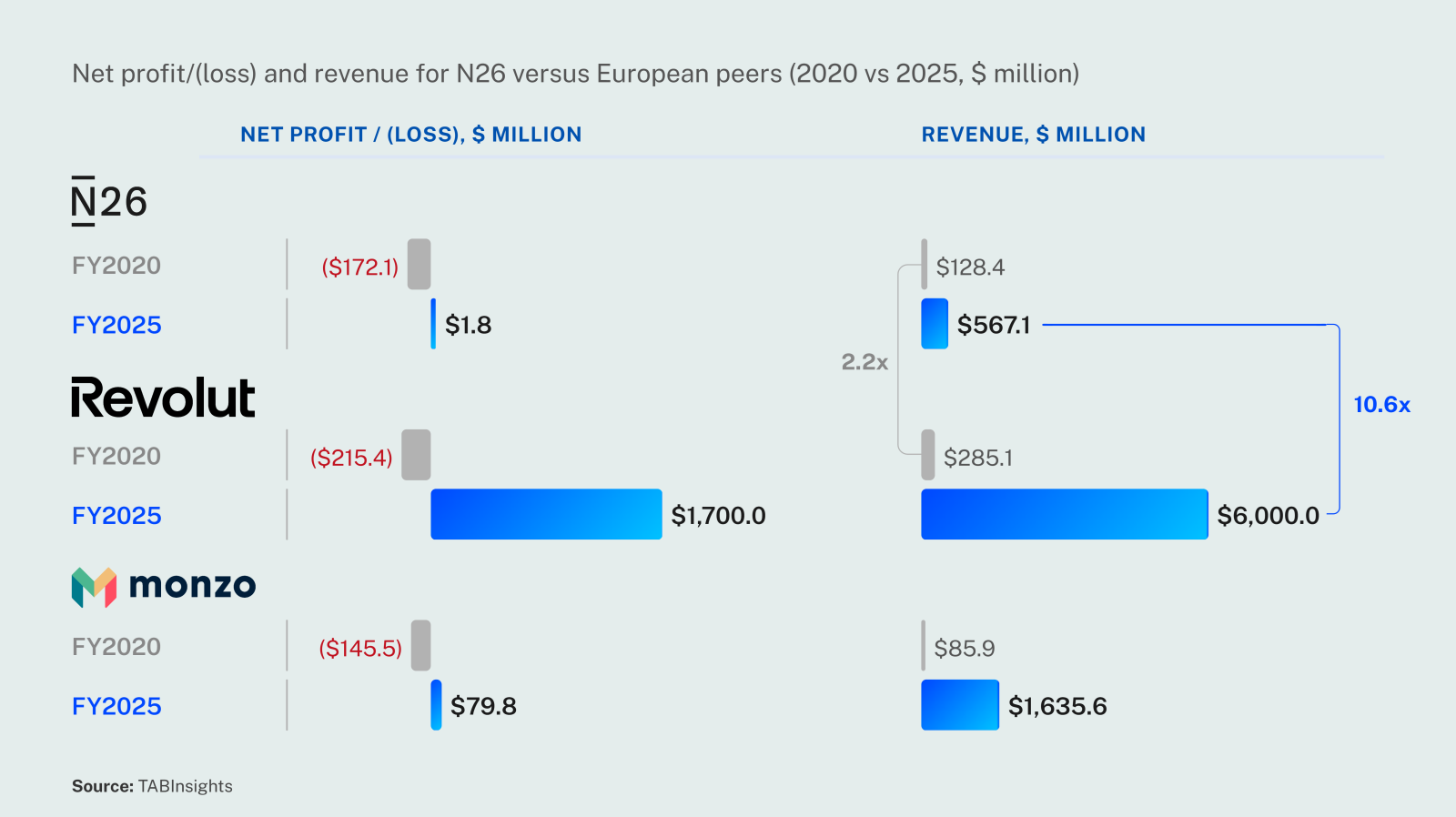
N26 delivered its first full-year net profit in 2025, but a decade of prioritising growth over bank-grade controls left the German fintech trailing European rivals, prompting a sweeping leadership overhaul.
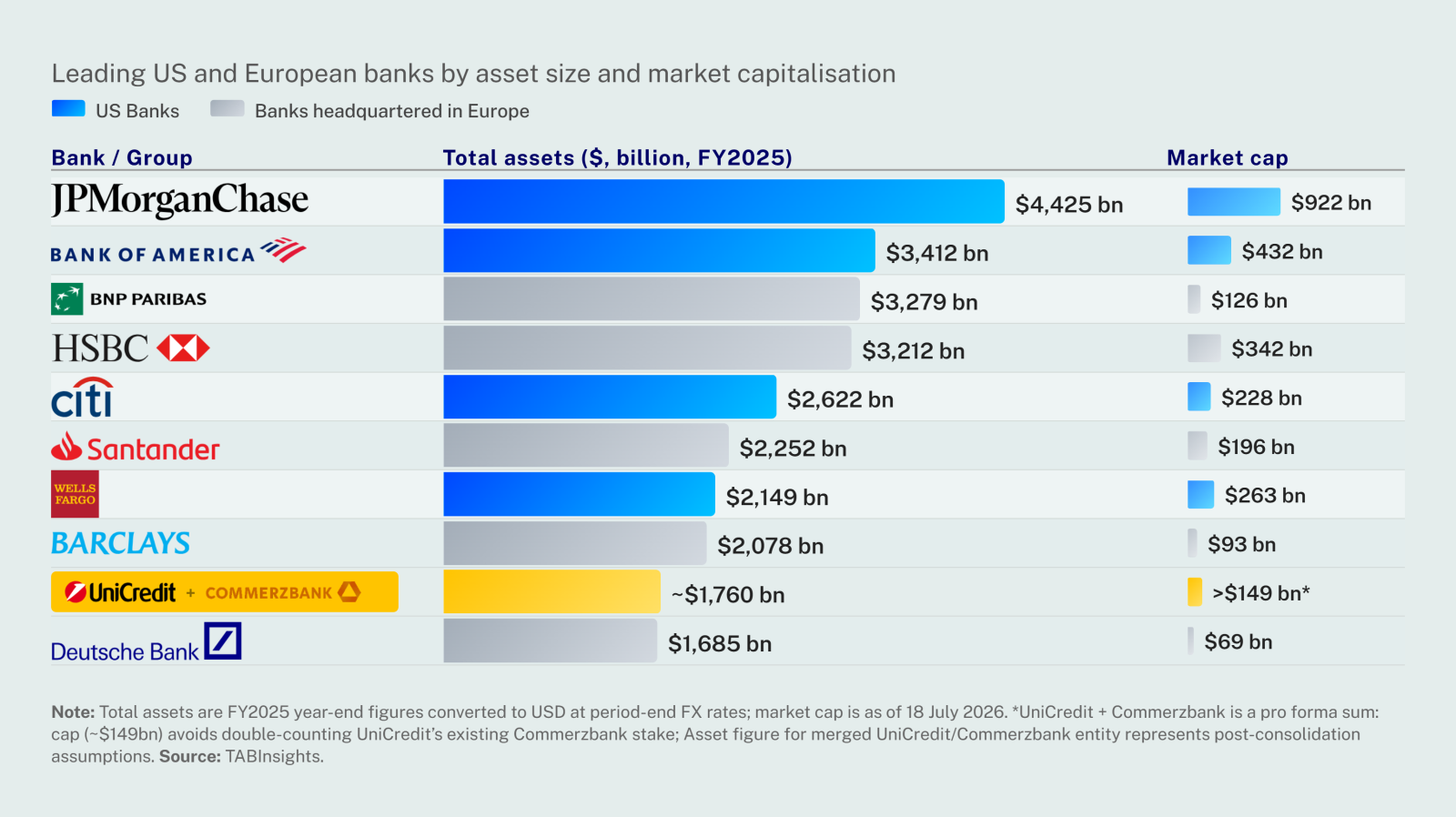
UniCredit’s path to taking full control of Commerzbank by the end of 2026 represents a decisive test of European banking consolidation, challenging political resistance and signalling that shareholder interests may increasingly outweigh national protectionism in shaping the region’s banking landscape. The resulting model would leave Commerzbank with a smaller, more focused international network designed primarily to support German, Polish and other European corporate clients rather than operate as a dispersed global lending franchise.
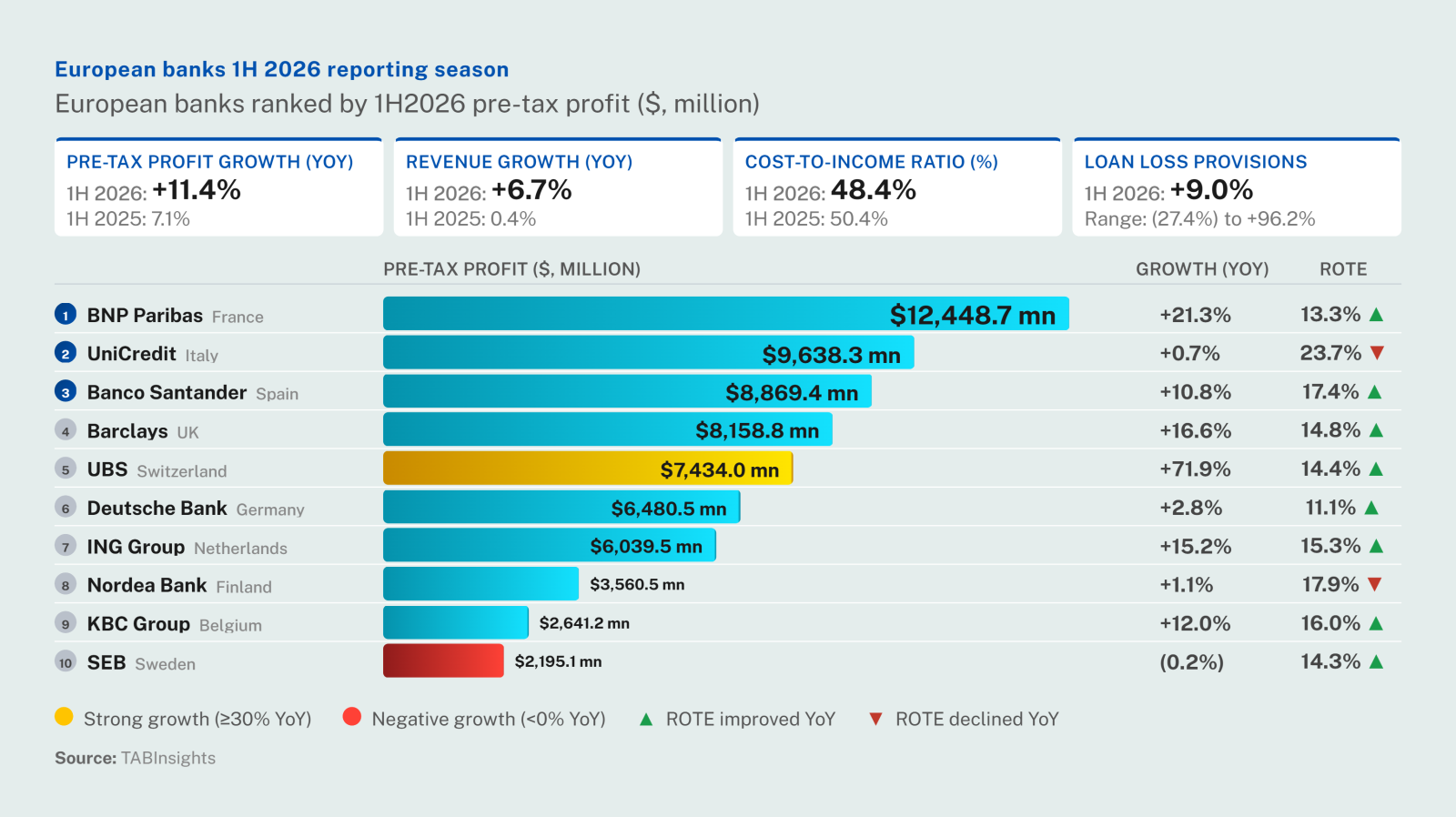
Europe’s largest banks by country showed surprising resilience in the first half of 2026, with broad-based growth across their business segments. UBS, Barclays and BNP Paribas stood out, although part of their results were boosted by corporate-centre gains, treasury performance and exceptional items. Strong earnings prompted several banks to raise their full-year guidance and reconsider mergers and acquisitions
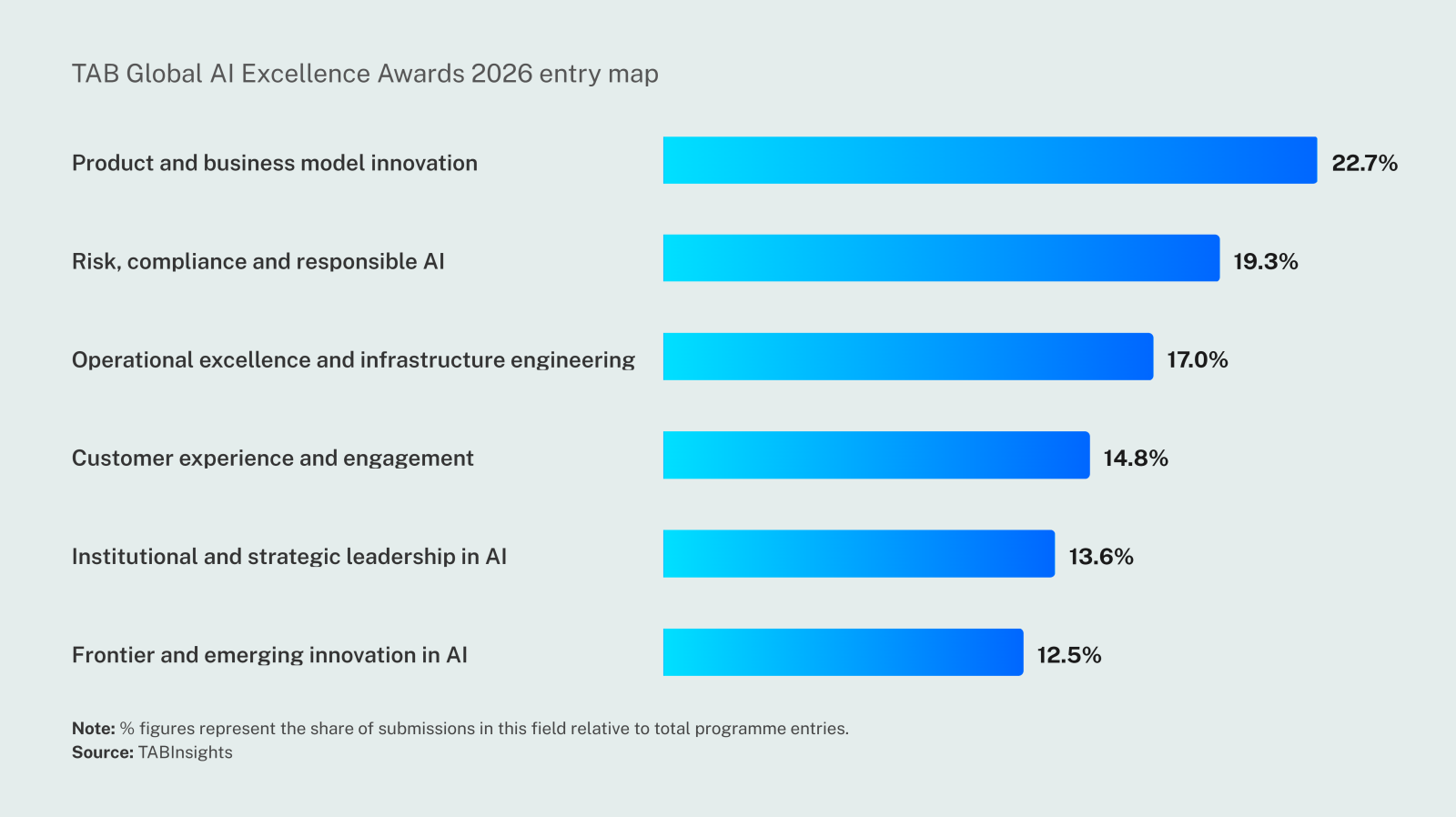
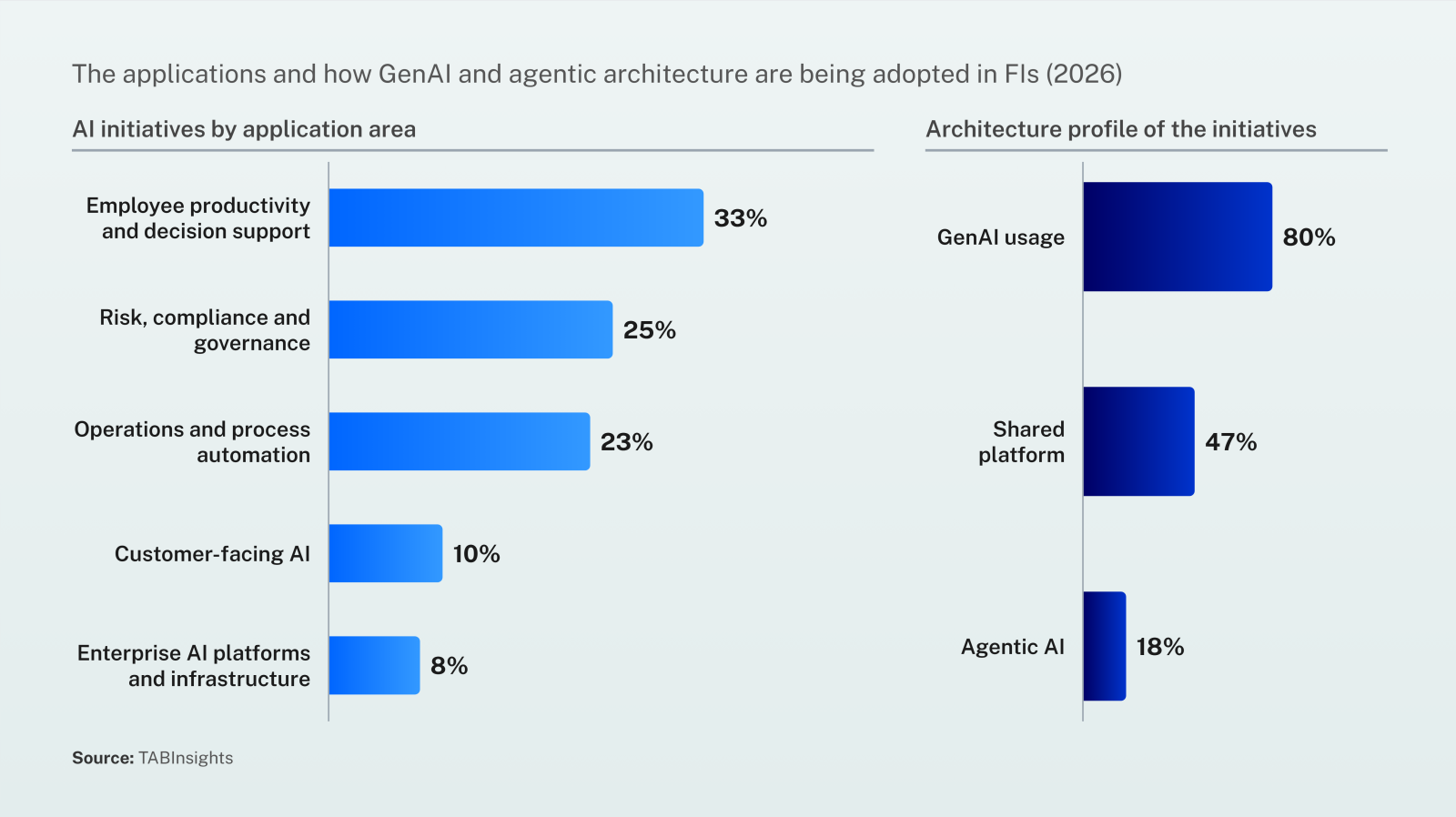
Most large banks have adopted AI, but few have rebuilt around it. Governance, architecture and strategic priorities will determine who scales AI successfully.
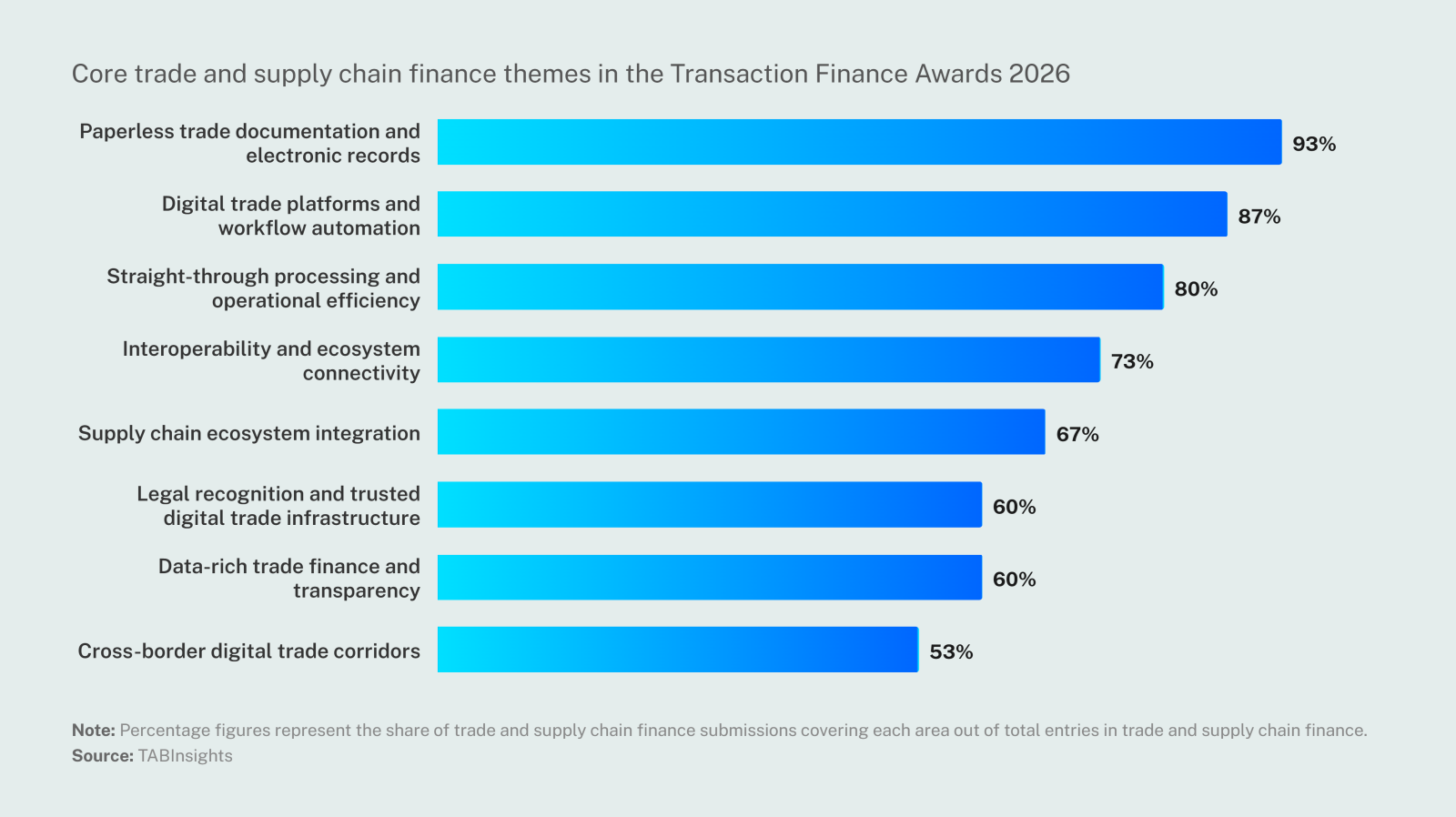
Trade finance is entering a new infrastructure phase as banks move from digitising documents toward connected environments where electronic records, structured data and automated workflows can support verification, financing and supply-chain visibility across participants.
Nu Holdings reportedly explored an acquisition of Monzo that would have given the Latin American digital bank a profitable UK franchise and a regulatory platform for expansion across Europe. Nubank later said it was not pursuing a transaction.
The key difference between banks that scale AI and those building isolated use cases is not access to the technology, but the ability to deploy it repeatedly on shared platforms with governance built in.