

Financial institutions are swiftly adopting blockchain and cryptocurrencies, catalysing regulatory discussions and heralding a significant shift in the global financial system.

China’s bank-backed fintechs, such as CCB Fintech and OneConnect, grapple with profitability, fierce competition from tech giants and evolving regulatory landscapes.

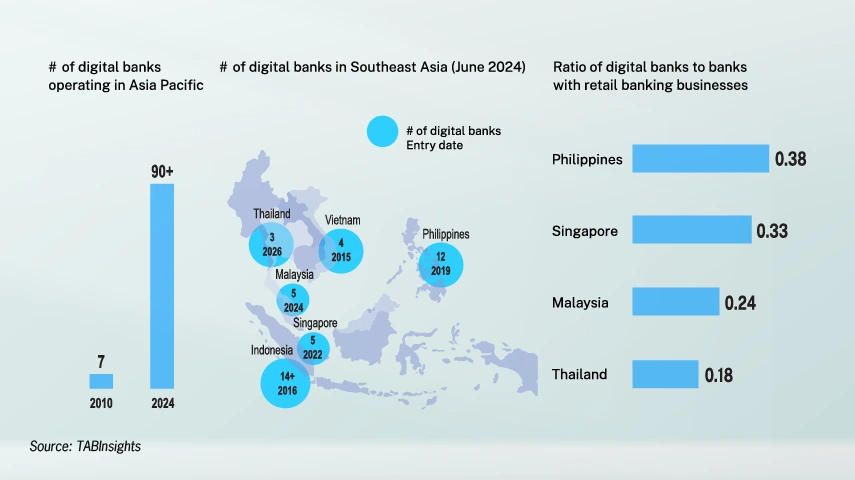
Six major consortiums, led by industry giants from tech, retail, and finance, are competing to secure Thailand's first digital bank licences. As the country prepares for a significant shift in its financial landscape, the stakes have never been higher.
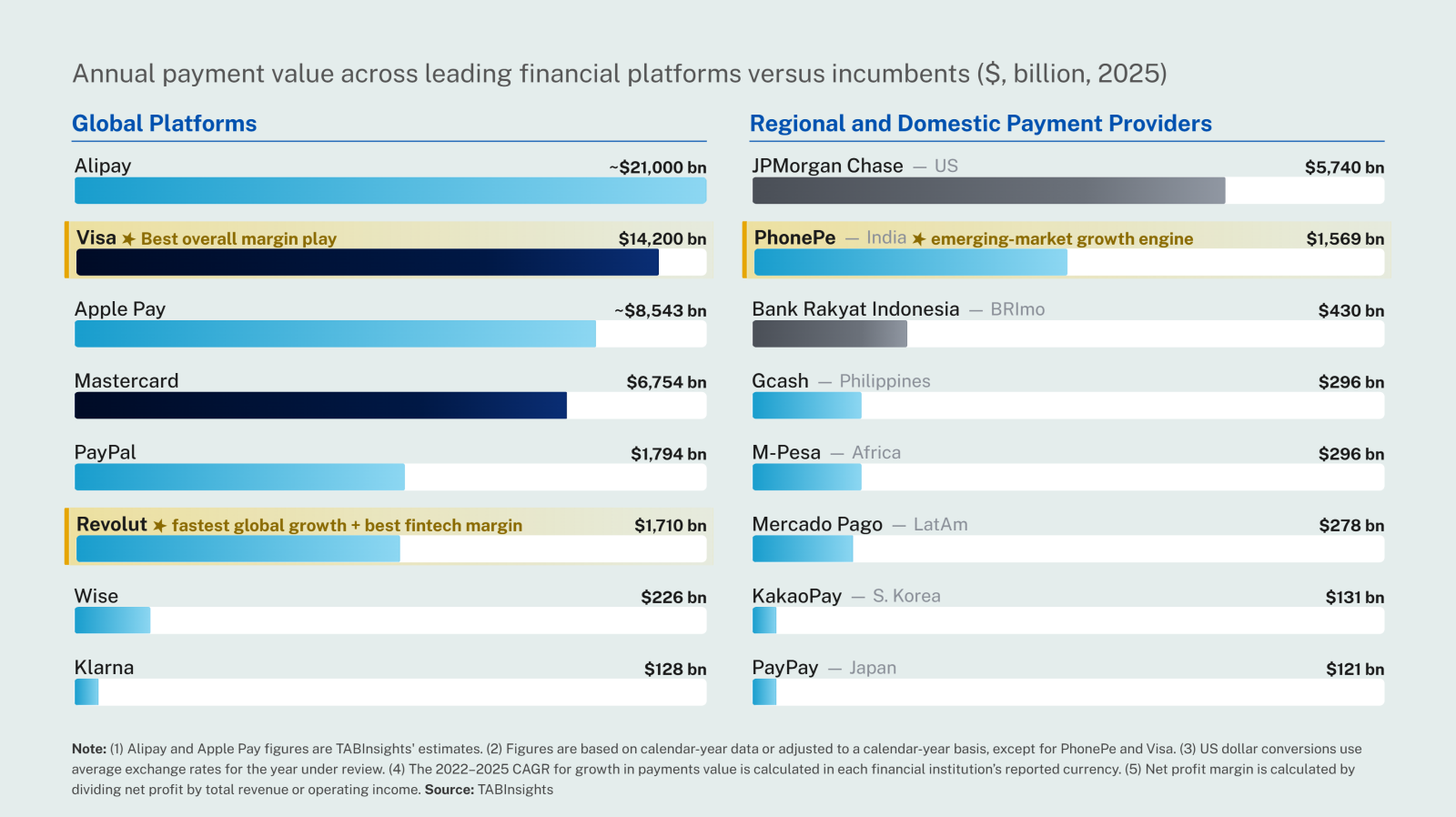
Fintech platforms have evolved from payment apps into formidable competitors to banks, using payments as a gateway to credit, savings, investments, insurance and merchant services, often without the cost and regulatory burden of a full banking licence. The world's largest platforms show that this model can deliver both enormous scale and, in most cases, strong profitability.
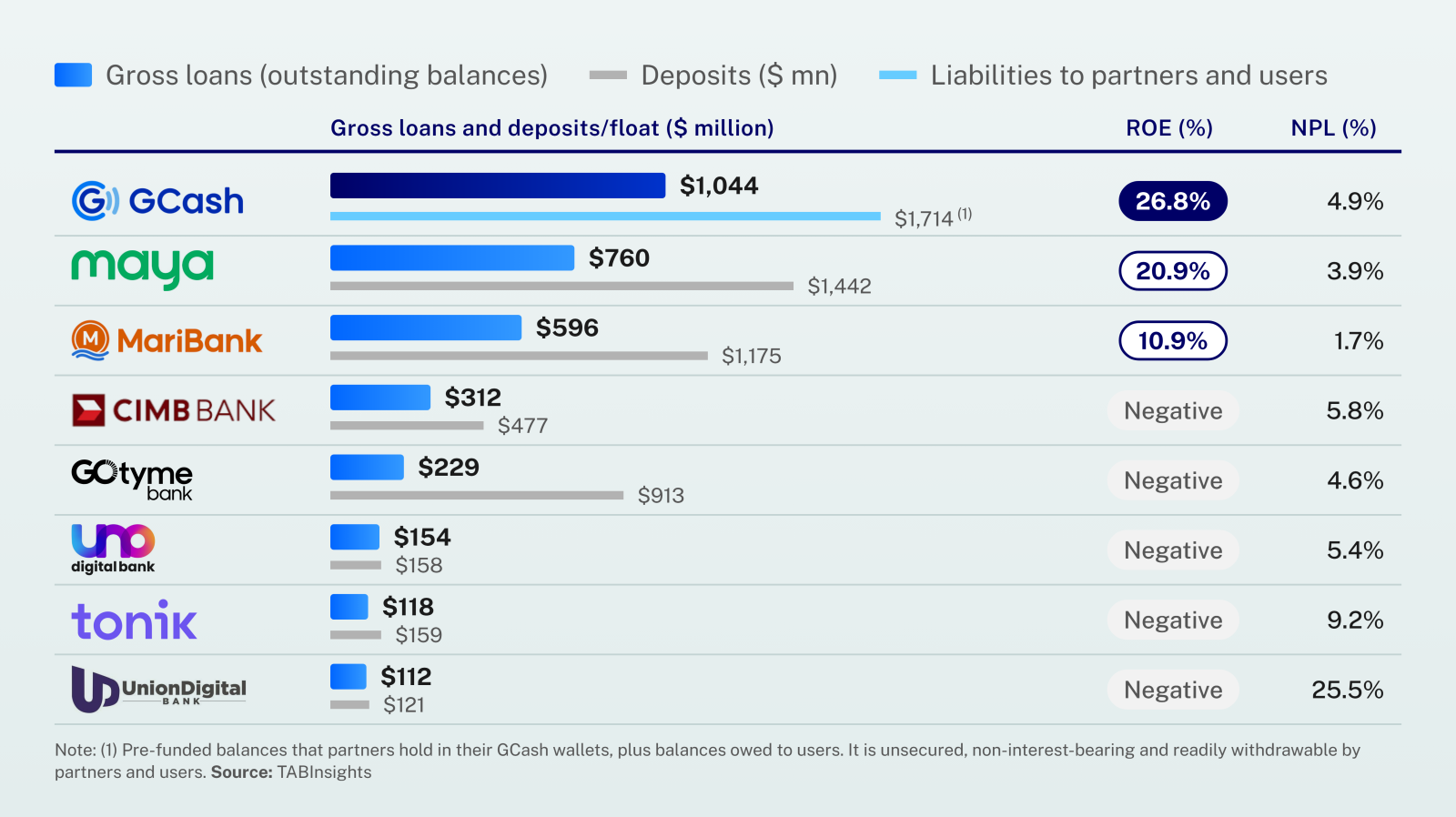
GCash has evolved from a payments platform into a bank-like lender, with a loan book and profitability exceeding those of the Philippines’ licensed digital banks. Lending now drives growth, but rising credit losses pose a growing challenge to profitability. Without a bank’s deposit base or banking regulatory framework, GCash’s model combines competitive advantages with structural risks.
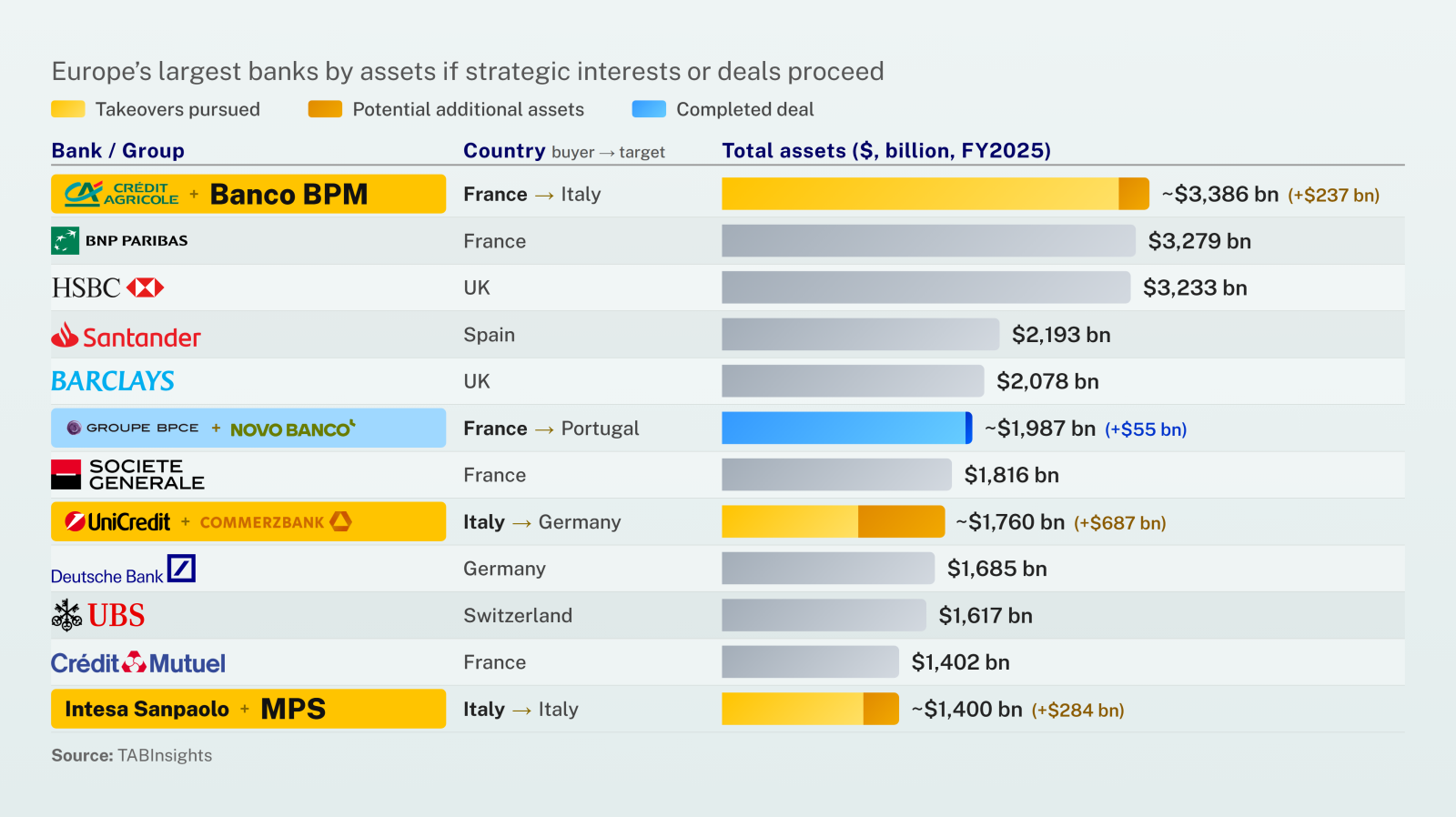
European cross-border banking consolidation is gaining momentum. Italy’s UniCredit is nearing regulatory clearance to take control of Germany’s Commerzbank, while France’s Crédit Agricole has proposed merging its Italian subsidiary with Banco BPM to create Italy’s third-largest bank and strengthen its position among Europe’s largest banking groups. But consolidation is no longer simply about scale. It is increasingly about gaining control of key markets, strategic assets and the broader financial services value chain. Three developments stand out as this trend takes shape through the rest of 2026 and into 2027.
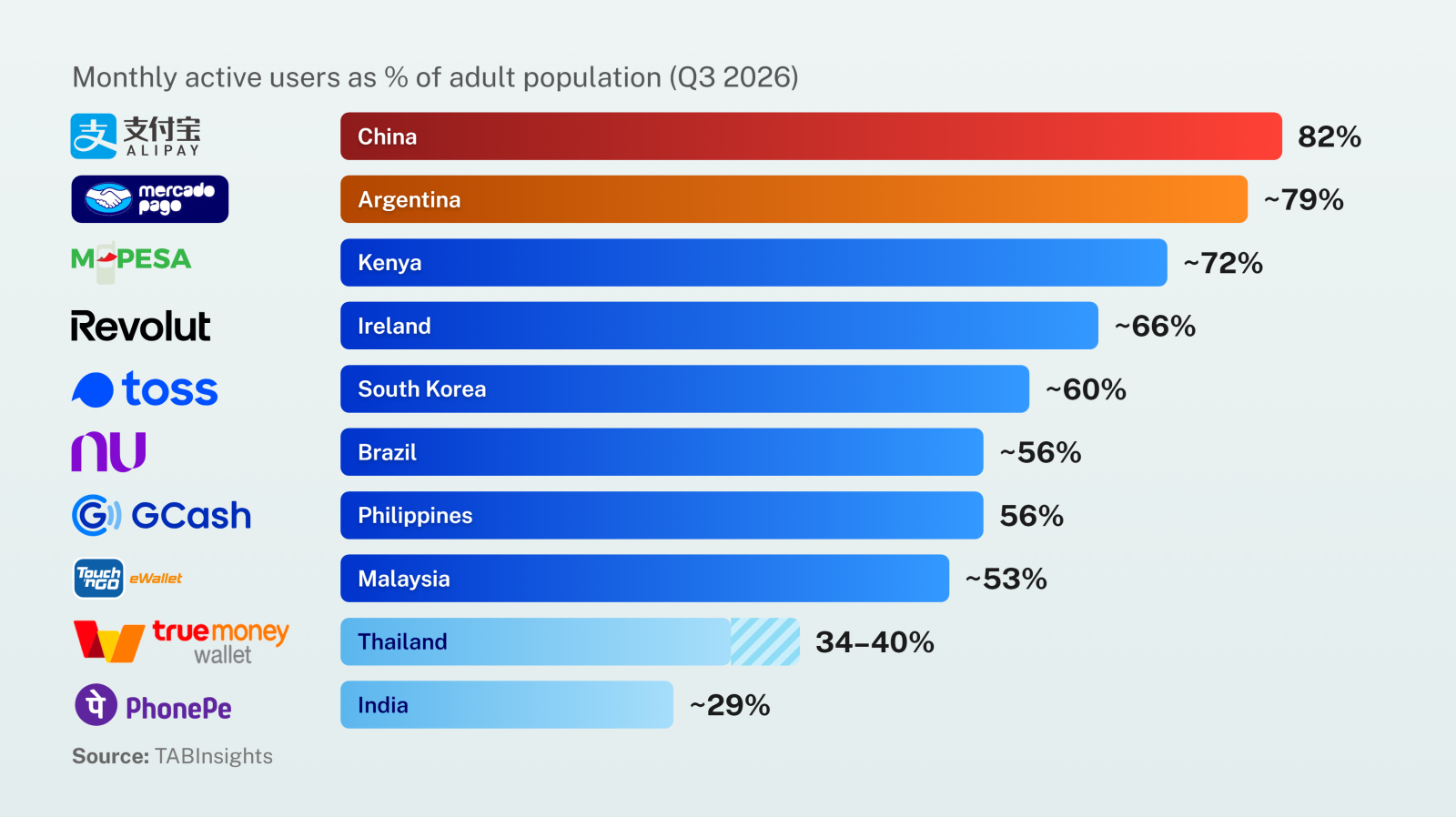
Banks still hold much of their customers’ money and capture a substantial share of financial services revenue per customer. However, financial platforms and digital wallets are increasingly becoming the primary interface for everyday financial activity, influencing where customers transact, borrow, save and invest, even when their funds remain with banks.